Vertical 2 Suunto swaps solar for AMOLED and adds a torch
Buy the Suunto Vertical 2 if you want a rugged adventure watch with a bright AMOLED screen, free offline maps, a built-in flashlight and up to 65 hours of dual-band GPS. It suits hikers, mountaineers and ultra runners. The catch is that the Race 2 does most of the same for £100 less, and the smart features are basic.
We may earn a commission if you buy through this link. It never changes what we pick or say.
Buy on Amazon (opens Amazon UK in a new tab)- Show Amazon prices from
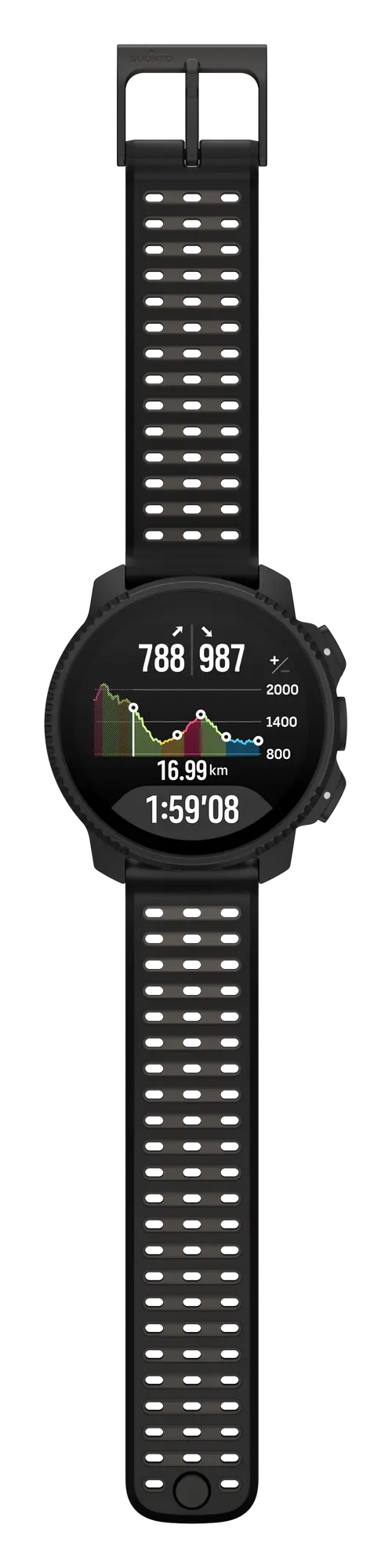
Image: Suunto
No paid picks. Ever.
Brands cannot buy a spot.
Sources on every page
Every claim, cited and dated.
We earn a cut, not a say
Affiliate links, clearly marked.
Specs, not vibes
From brand sources, checked twice.
The short version
Suunto's map-first adventure watch gains a 1.5 inch AMOLED screen, a bezel flashlight and a new heart rate sensor, but drops solar charging and costs £100 more than the closely related Race 2.
What is new about the Vertical 2?
The Vertical 2 replaces the original Suunto Vertical, Suunto's big adventure watch with a memory-in-pixel screen and solar charging options. Notebookcheck reported the launch on 30 September 2025, with the watch on sale straight away, and GPS Training's first look followed on 1 October. Suunto sells it in four stainless steel colourways and two titanium ones. This first look covers the steel version in All Black, Suunto code SS051204000. TechRadar gives the UK price as £529 for steel and £629 for titanium, and the RRP for the steel watch is the figure we use here.
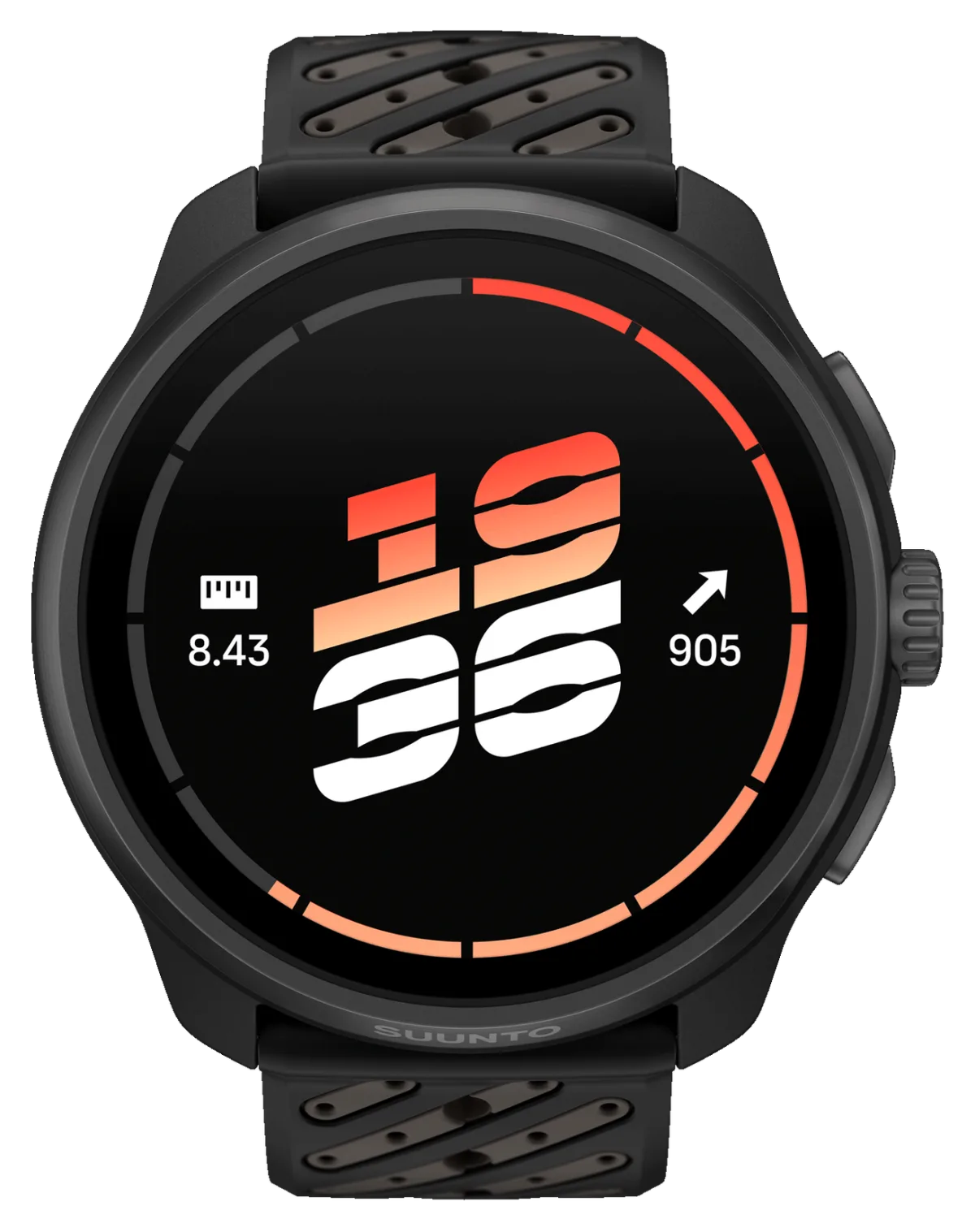
The headline change is the screen. The old transflective display has gone, and in its place is a 1.5 inch LTPO AMOLED panel at 466 by 466 pixels under sapphire. That brings the Vertical in line with the Race 2, but it also means there is no solar charging on this model. Suunto adds a built-in LED flashlight, a redesigned optical heart rate sensor that it says is more accurate, and an updated processor. Navigation gets Climb Guidance, colour-coded route sections and the ability to change route without stopping navigation, on top of free offline maps.
How big is it, and how will it wear?
Suunto lists the case at 48.6 by 48.6 by 13.5 mm, and its wrist fit range as 125 to 175 mm. That is a large watch, and at 13.5 mm it is a full millimetre thicker than the Race 2. Suunto's own spec sheet gives 87 g for the steel version (TechRadar measured 86 g), against 74 g for titanium. The case is glass fibre reinforced polyamide with a stainless steel bezel on top, and the silicone strap is a standard 22 mm, so plenty of aftermarket straps will fit.
If you have smaller wrists, the size is the first thing to weigh up. This is built for people who want the biggest possible map screen on a hike, not a watch that disappears under a cuff.
How long does the battery last?
Suunto quotes up to 20 days in smartwatch mode and up to 40 days in standby. For recording, it quotes up to 65 hours with all satellite systems and dual-band GNSS (60 hours with the always-on display), up to 75 hours in single-band mode and up to 250 hours in its power-saving GNSS modes. GPS Training points out that dropping solar on the AMOLED version means slightly lower maximum figures than the original Vertical could reach.
Those are still long numbers for a watch with a bright AMOLED screen. A week-long trek with daily GPS recording is realistic on one charge, and TechRadar listed the smartwatch battery life among its pros. GPS Training also notes a new charging cradle.
What does it do well?
Navigation is the reason to buy a Vertical. Offline maps download to the watch for free, with contour lines, and route guidance shows arrows and upcoming climbs. The flashlight is useful in practice rather than a gimmick: Notebookcheck reports several brightness levels and a red-light mode, which helps keep night vision in camp.
Training features are broad. Suunto lists more than 115 sport modes, and Suunto's SuuntoPlus store adds third-party apps on top. GPS Training reports that heart rate readings came close to a chest strap during intense gym training, and TechRadar named the improved optical sensor as a pro. Water resistance is 100 m.
Is it good value against its rivals?
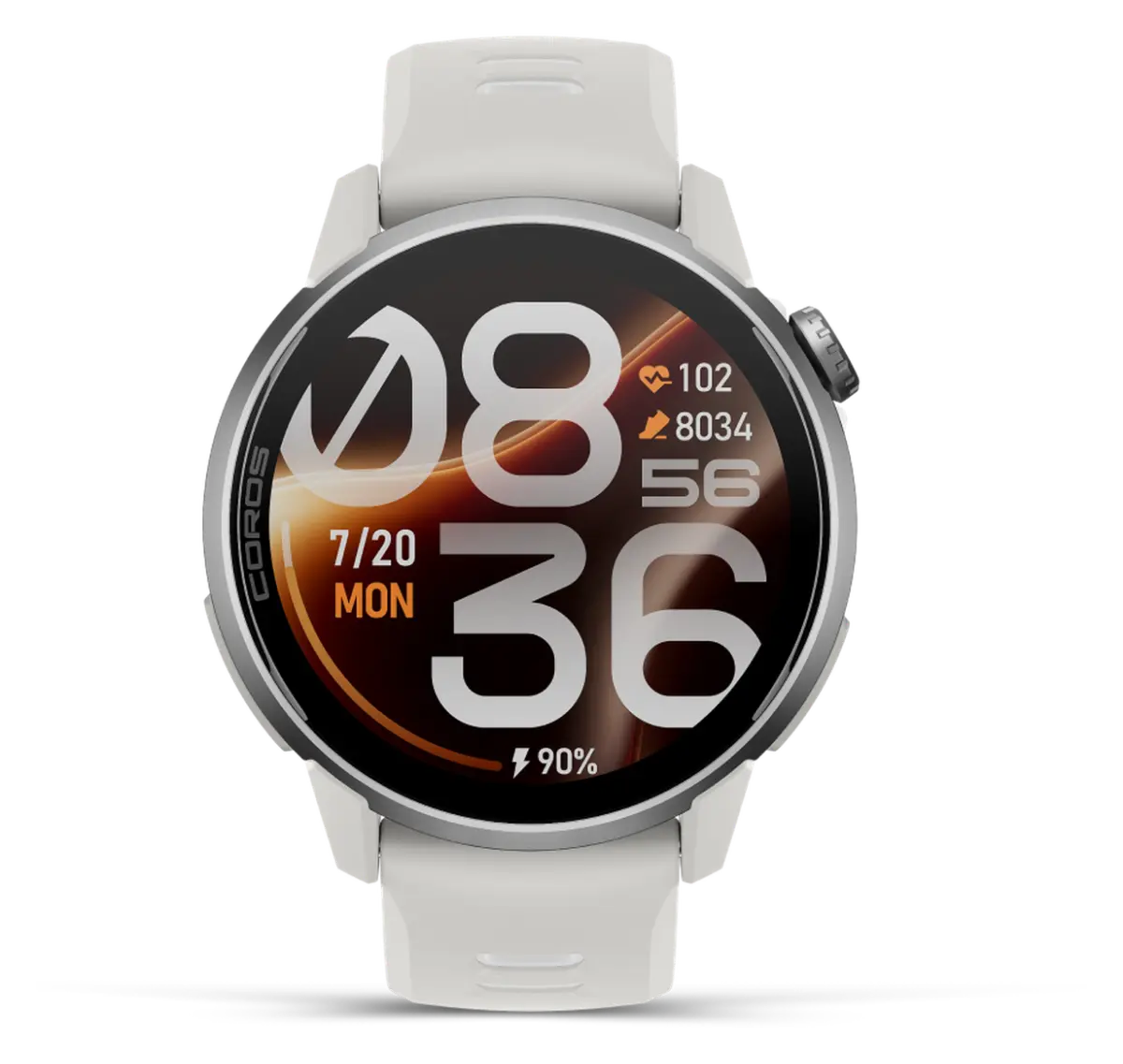
The closest rival is Suunto's own Race 2, which has the same 1.5 inch AMOLED screen, sapphire, dual-band GNSS and offline maps for an RRP of £429 in steel. TechRadar points out that the titanium Race 2 costs the same as the steel Vertical 2, and lists "the Suunto Race 2 does much the same for less" as a con. What the Vertical 2 adds is the flashlight, a bigger battery and a tougher outdoor brief.
Above it sits the Garmin fenix 8 AMOLED, which TechRadar says the titanium Vertical 2 moves into the territory of on price. The fenix offers payments, music storage and a deeper app ecosystem, but costs a good deal more. At £529, the steel Vertical 2 is a fair price for what is on the spec sheet, as long as you will use the maps and the torch.
What is the catch?
The smart features are thin. TechRadar notes there is no tap-to-pay wallet, no offline music and only limited smartphone notifications. If you want a watch that replaces your phone on a run, look elsewhere.
The second catch is the overlap with the Race 2. Unless the flashlight or the extra battery matter to you, you can save £100 and get most of the same watch. The third is size: at 48.6 mm and 13.5 mm thick it is a lot of watch for a smaller wrist, and the steel version is the heavier one. Finally, there is no solar charging, which some original Vertical owners may miss on long expeditions. We have not found enough independent long-term owner feedback to summarise yet, so the points above come from published reviews and Suunto's own figures.
“The torch and the bigger battery are what your extra £100 over the Race 2 buys.”
What are the full specs?
| Spec | Vertical 2 |
|---|---|
| Brand | Suunto |
| Reference | SS051204000 |
| Case diameter | 48.6 mm |
| Thickness | 13.5 mm |
| Water resistance | 100 m |
| Movement | Smart |
| Power reserve | 480 hours |
| Crystal | Sapphire crystal |
| Strap | Black silicone, 22 mm |
| Colourway | All Black, stainless steel bezel |
| Launched | September 2025 |
| Brand RRP | £529 |
Specs from the brand's published information. RRP is the brand's own UK price, not an Amazon price.
Questions people ask
When did the Suunto Vertical 2 come out?
Suunto launched the Vertical 2 at the end of September 2025. Notebookcheck reported it on 30 September 2025, with the watch available immediately.
How much is the Suunto Vertical 2 in the UK?
TechRadar gives the UK price as £529 for the stainless steel version and £629 for titanium.
Does the Suunto Vertical 2 have solar charging?
No. The Vertical 2 uses an AMOLED display and has no solar charging, unlike some versions of the original Vertical. Suunto quotes up to 20 days in smartwatch mode and up to 65 hours of dual-band GPS.
What is the difference between the Suunto Vertical 2 and the Race 2?
Both share a 1.5 inch AMOLED screen, sapphire and offline maps. The Vertical 2 adds a built-in LED flashlight and longer battery life, in a thicker 13.5 mm case, for £100 more in steel.
Where does this come from?
- Suunto Vertical 2 All Black (opens in a new tab) Suunto · accessed 19 Sep 2026
- Suunto Vertical 2 All Black (China) (opens in a new tab) Suunto · accessed 20 Sep 2026
- Suunto Vertical 2 review (opens in a new tab) TechRadar · accessed 20 Sep 2026
- Suunto Vertical 2 Review: First Look (opens in a new tab) GPS Training · accessed 19 Sep 2026
- Smartwatch Suunto Vertical 2 startet als Garmin-Alternative (opens in a new tab) Notebookcheck · accessed 21 Sep 2026
Corrections
No corrections since this was published on 22 September 2026.
More smart watches